


What HiComp Offers
Biology first. Evolve your device!
Custom Device Design and Fabrication
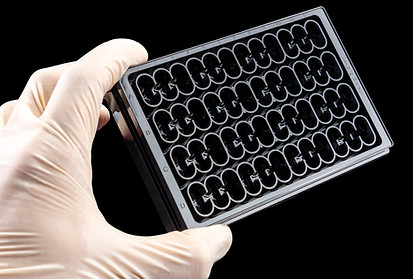
Custom Microwell Plate
We manufacture microfluidic architectures integrated into custom plate formats. Utilizing ISO-7 cleanroom injection molding and assembly, we produce bottomless microplates in SBS standard or completely custom footprints to ensure seamless compatibility with existing lab automation and high-content imaging.
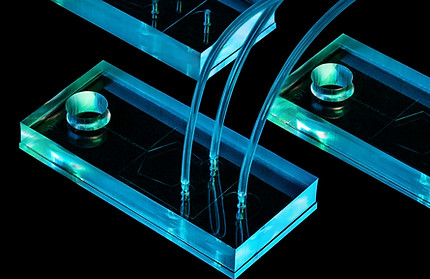
Custom PDMS/Polymer Chips
Our PDMS chips are manufactured via an advanced "closed-mold" process, enabling intricate multi-layer micro-channels with exceptional gas permeability. This automated approach ensures industry-leading consistency in membrane integration and channel geometry, providing a stable biomimetic environment.
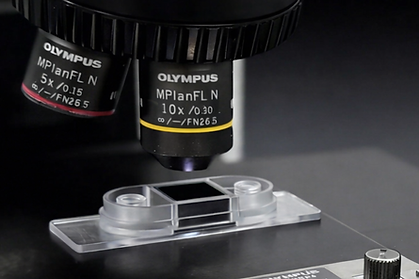
We deliver complete "plug-and-play" integration by coupling chips with an automated perfusion system. This system enables functional physiological models by offering precise, dynamic control over fluid shear stress and nutrient delivery. The fully integrated Organ-on-a-Chip solution that ensures long-term stability and experimental reproducibility.
Perfusion & Optical Systems
Custom Organ-on-a-Chip Models
The traditional industry approach has often been Chip First, Biology Evolves, and trap your cells into a pre-fabricated chip, we believe the biology should define the system, if your hardware can't adapt to your biology, your research is inherently limited.
At HiComp, our philosophy is the exact opposite: Biology First. Evolve your device!
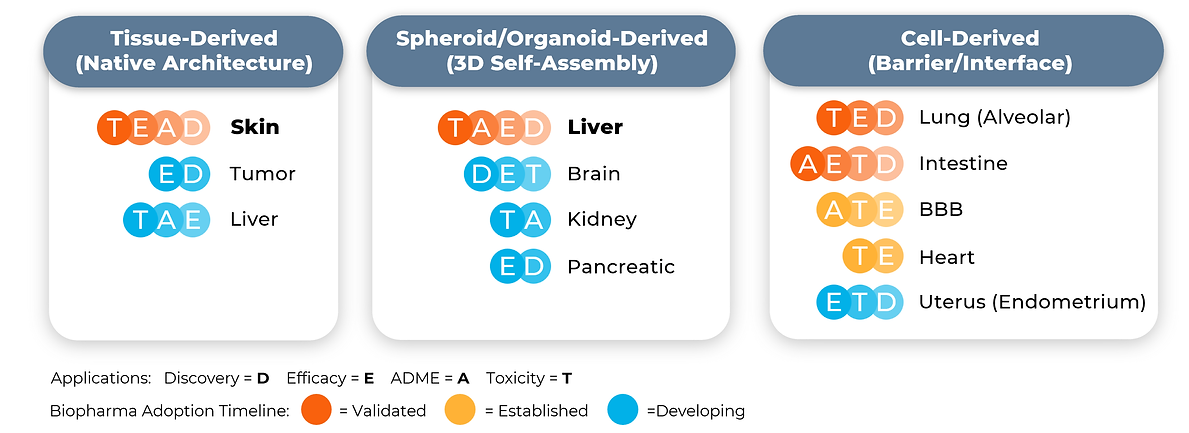
Whether working with tissue-derived models that preserve native architecture, spheroid and organoid systems with 3D self-assembly, or cell-derived barrier and interface models such as lung alveolar, intestine, or BBB, we design solutions around the specific physiological requirements of your assay. This biology-driven approach supports more relevant microenvironments, stable cellular function, and higher translational confidence across discovery, efficacy, ADME, and toxicity studies.
Custom OOC Starter Kits
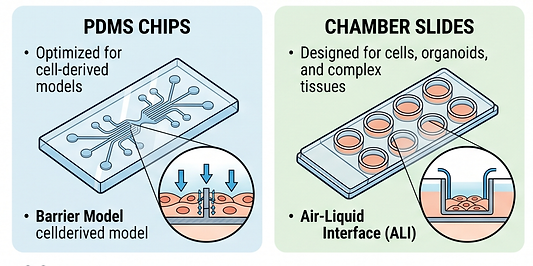
HiComp Organ-on-a-Chip Starter Kits include ready-to-use culture devices, modular perfusion system, and step-by-step guidance for rapid experimental setup.
Two formats are available: PDMS chip kits for barrier and interface models, and chamber slide kits for organoids, spheroids, and complex tissue applications.
Why Choose HiComp

Adaptive Customization
Rapid, proprietary design-to-prototype workflows that drastically shorten R&D cycles through hyper-fast iteration.

Versatile Portfolio
An application-centric platform supporting a wide range of organ types and therapeutic areas to capture maximum market demand.

Scalable In-House Manufacturing
Fully integrated production ensuring industrial-scale supply, rigorous quality control, and IP security.

Pharma-Led Expertise
A specialized biology team under the leadership with extensive ex-big pharma and CRO experiences, ensuring all models meet rigorous industry benchmarks.
Request a Proposal
Case Studies
Case Study 1
Microplate-Based NASH Liver Organoids:
A Platform for Hepatotoxicity Testing
We build custom microwell plates (6-well to 384-well) with engineered substrates and microfeatures to control spheroid/organoid formation and support high-quality imaging. The platform robustly discriminates hepatotoxic compounds (e.g., clozapine) with results that are consistent across multiple biological donors.
Manufacturing
Custom Microplate Platform

Custom microwells (down to 2 μm), diverse substrates (plastic, glass, hybrid), and custom pipette tips for precise, high-quality organoid formation and imaging.
Protocol
NASH Model Timeline (21 Days)
Day 0
Seed
Day 7
Induce NASH
Day 14
Drug Treatment
Day 21
Effect


Donor 1
Donor 2
Donor 3


Primary human hepatocytes co-cultured with stromal cells, consistent organoid formation and NASH induction across multiple donors.
Results
Robust Hepatotoxicity Testing

Donor 1

Donor 2

Donor 3

Clearly distinguishes hepatotoxic (Clozapine) from non-hepatotoxic (Amoxapine) compounds, yielding consistent results across all donors.
Case Study 2
Microfluidic Organ-on-a-Chip:
Advanced Tissue Barrier Modeling with Parylene C Membrane
Traditional organ-on-a-chip membranes (like PDMS, PC, or PET) often compromise physiological relevance due to excessive thickness, poor optical clarity, and small-molecule absorption that biases drug assays. Our proprietary Parylene C membranes overcome these fundamental challenges. By utilizing advanced MEMS fabrication, we provide ultrathin, highly porous, and transparent interfaces that enable superior barrier tissue modeling and high-content imaging.
Technology
Advanced Microfluidic Technology


Parylene-based PERFECT filter
Integrated PDMS devices with ultrathin, high-precision Parylene C "PERFECT" filters. Customizable pore sizes and tunable porosity (2-90%)
Performance
Superior Membrane Performance

Parylene C offers superior properties for high-fidelity barrier modeling.
Applications
Versatile Barrier & Coculture Models


Exposome Capture
Single-Cell Sorting
Tuberculosis Detection

CTC Capture/
Culture
Supports diverse models including tissue barriers, parenchymal tissue, and multi-organ interactions. Our platform enables complex co-cultures with precise control over cellular microenvironments, facilitating accurate modeling of physiological barriers and dynamic cellular interactions.
FAQ

PDMS · Injection Molding · MEMS - One Partner
6195 Cornerstone Ct East, Suite 105, San Diego, CA 92121
858.688.0000